
How to check if a pre-owned watch is genuine: 7 things we check before buying
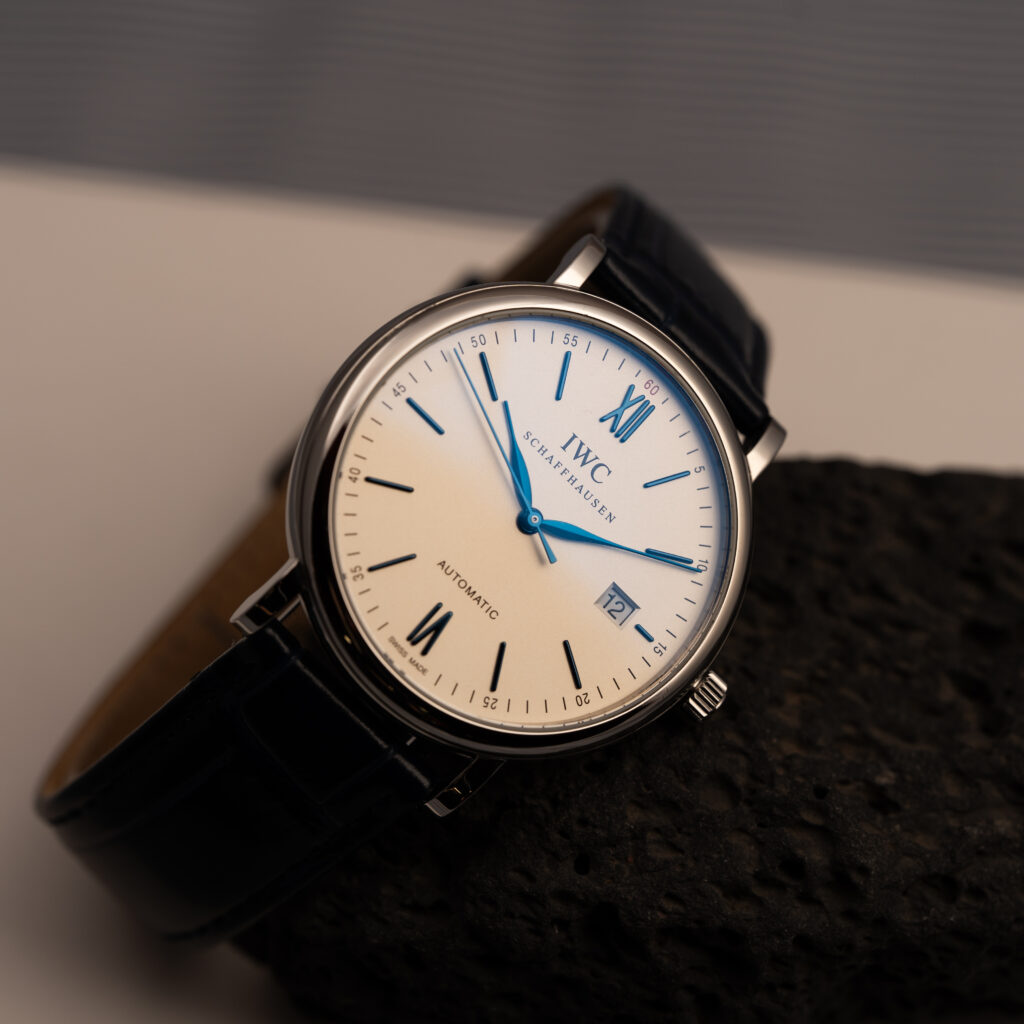
When you buy a pre-owned watch, you pay not only for the brand and the model, but also for the certainty that the piece is exactly what it is presented as. Imitations are increasingly refined, and the market also sees pieces assembled from parts of different watches. That is why every watch goes through a fixed verification procedure before it enters our offer. Below we describe it step by step. You can use it when buying elsewhere as well.
1. Reference number and serial number
Every watch from a renowned manufacture has a reference number, the model designation, and an individual serial number. We verify that the reference matches what we see: case diameter, dial, bezel and movement. We compare the serial number with the warranty card and the watch’s documentation. If the number is illegible, shows signs of re-engraving or does not match the documentation, we decline the purchase.
2. The movement
This is the most difficult element to imitate. We open the caseback or examine the movement through the display back and compare it with the manufacturer’s documentation: calibre, bridge finishing, engravings and jewels. Genuine Omega, Tudor and IWC movements have distinctive details that substitutes do not reproduce. At this stage we also measure the timekeeping accuracy and balance amplitude, because even a genuine movement may need a service after years of use.
3. Dial and hands
We examine the dial under a loupe, paying attention to the printing: the typeface, the precision of the edges and the placement of the text. On genuine pieces the print is crisp and perfectly centred. We also verify that the dial and hands have not been replaced or refinished, as this affects the collector value of the watch, even when it is fully genuine.
4. Case, bezel, crystal and water resistance
We assess the edges of the case. Sharp, preserved bevels indicate that the watch has not been heavily polished, which matters especially for collectible models. We check the bezel action, the caseback markings, the crown and the sapphire crystal. In imitations, the details usually give it away: play in the bezel, a stiff crown or a shallow engraving on the caseback. Every piece also undergoes a water resistance test, which confirms that the case maintains its stated water resistance.
5. Bracelet and clasp
The bracelet provides a great deal of information about the watch. We verify the markings on the clasp, the bracelet reference number, the way the links are joined and their weight. A genuine watch is sometimes offered on an aftermarket bracelet. This does not affect its authenticity, but the buyer should be informed.
6. Documentation and provenance
A warranty card, box, proof of purchase from a boutique or a service history do not on their own guarantee authenticity, because they can also be counterfeited. They are, however, an important part of the verification. We check that the dates, numbers and retailer details are consistent. We also establish the watch’s provenance and do not accept pieces with an unclear history.
7. Watchmaker verification
Finally, the watch is examined by a watchmaker who assesses its technical condition and confirms our findings. Only then do we issue a certificate of authenticity and provide a 12-month warranty. Before buying, you may also have the watch verified by a watchmaker of your choice. We will gladly arrange it.
Looking for a specific model?
All the watches in our offer have passed the verification described above. If the model you are looking for is not among them, write to us. Tell us the brand, model and budget, and we will analyse the market and present specific proposals.